Ventilation Care
Advanced ventilation.
Uncompromised care.
BiPAP machines deliver air at two different pressures — one for inhaling and one for exhaling — keeping your airway open and supporting your breathing around the clock.
What is BiPAP?
How it works
BiPAP machines provide air through a mask at two different pressures. The higher pressure when you inhale helps keep your airway open.
When it's used
BiPAP treats COPD, obstructive sleep apnea, asthma, and is used in emergency or intensive care settings.
vs. CPAP
BiPAP machines adjust air pressure based on your breathing patterns, which can be more comfortable for some patients.
Non-Invasive vs Invasive Ventilation
Non-Invasive Ventilation (NIV) delivers pressure support via a mask — no tubes, no sedation. It is now the preferred approach for most patients with chronic respiratory failure.
Non-Invasive Ventilation (NIV)
- ✓ Delivered via mask — no intubation required
- ✓ Patient can cough, eat, and speak
- ✓ Rarely requires sedation
- ✓ Lower risk of ventilator-associated pneumonia
- ✓ Easier weaning — rarely difficult
- ✓ Suitable for home and long-term use
- ✓ Patient can sit upright freely
Invasive Ventilation (IV)
- — Requires intubation or tracheostomy
- — Direct airway access — useful in emergencies
- — Sedation often necessary
- — Higher risk of tracheal damage & pneumonia
- — Weaning is difficult in 10–20% of cases
- — Patient cannot eat, speak, or cough freely
- — Reserved for NIV contraindications or failure
When is invasive ventilation required? Absolute contraindications to NIV include: no spontaneous breathing, fixed airway obstruction, gastrointestinal bleeding/ileus, or coma. Relative contraindications include hypercapnic coma, severe acidosis (pH < 7.1), hemodynamic instability, or severe agitation.
Who Needs BiPAP or Mechanical Ventilation?
Several chronic and acute conditions lead to respiratory failure that requires ventilatory support. Ventilation reduces CO₂ levels, improves blood gases, and improves quality of life.
COPD
Chronic hypercapnia, frequent exacerbations, reduced quality of life. NIV reduces hospitalisation and improves life expectancy.
Obesity Hypoventilation (OHS)
Obesity combined with daytime hypercapnia despite adequate CPAP therapy. Rapid growth in prevalence worldwide.
Neuromuscular Disease
ALS, Duchenne muscular dystrophy, spinal muscular atrophy. Muscle weakness leads to inadequate breathing effort.
Thoracic Restriction
Kyphoscoliosis and chest wall deformities restrict lung expansion, causing hypoventilation — especially at night.
Cheyne-Stokes Respiration
Periodic breathing associated with heart failure. NIV normalises breathing pattern and improves cardiac function.
Acute Respiratory Failure
Post-operative or acute exacerbations where NIV can avoid intubation and support recovery in hospital settings.
Ventilation Modes Explained
Ventilators offer multiple modes that differ in how much the machine takes over from the patient. The right mode is selected based on the patient's disease and breathing capacity.
BiPAP / NIV Modes (available on iBreeze 30ST & Prismavent)
S (Spontaneous)
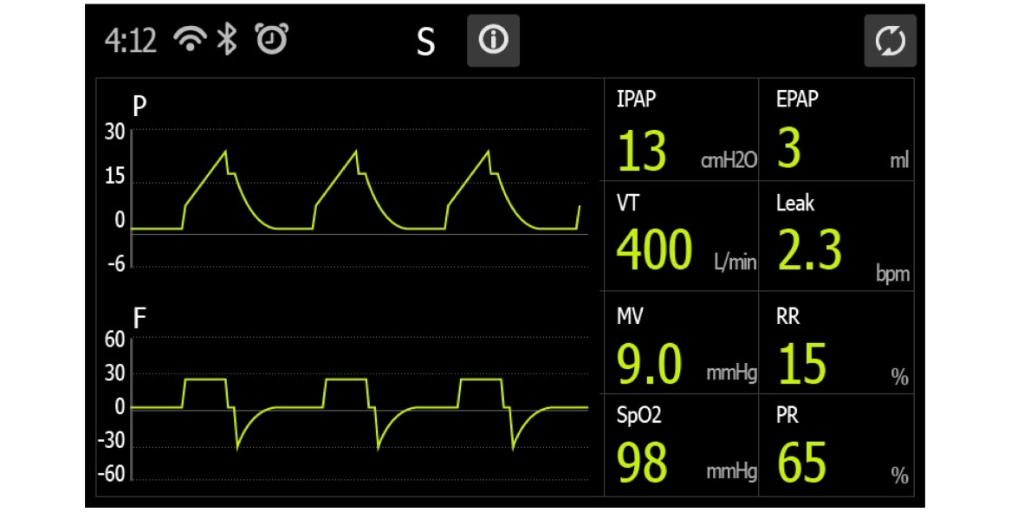
Patient-triggered. Delivers IPAP when the patient inhales, drops to EPAP on exhale. Maximum patient control.
S/T (Spontaneous-Timed)
Combines assisted and controlled ventilation. A backup rate ensures breathing if patient effort is absent.
T (Timed)
Fully controlled ventilation. Machine sets the rate and pressure. Unloads fatigued respiratory muscles maximally.
autoST
Auto-adjusting EPAP + backup frequency. Addresses obstructions automatically while preventing central apneas.
CPAP
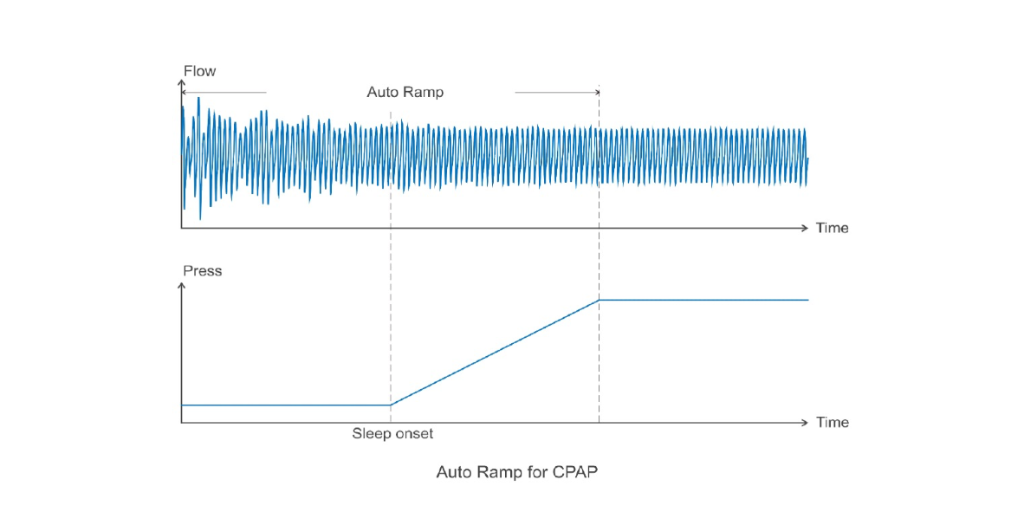
Single constant pressure throughout the breathing cycle. Primarily used for OSA and mild OHS.
Advanced Modes (Luisa life-support ventilator)
PSV (Pressure Support Ventilation)
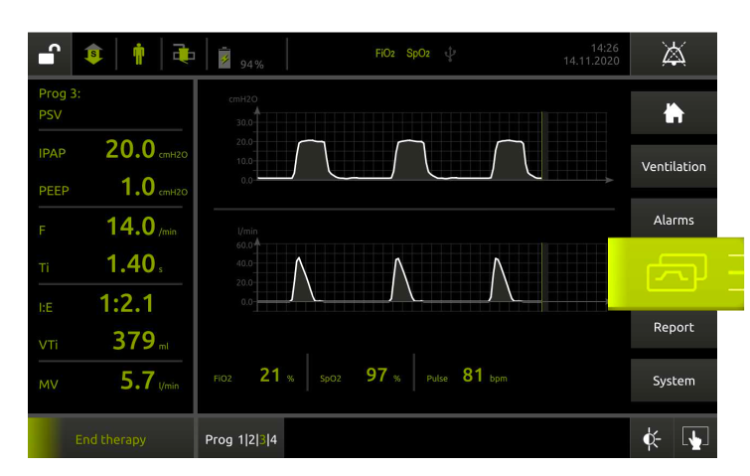
Patient triggers the device; pressure rises to a set level. Tidal volume depends on patient effort and lung mechanics.
PCV (Pressure-Controlled)
Fully controlled pressure ventilation with fixed inspiratory time. Common in home mechanical ventilation.
VCV (Volume-Controlled)
A fixed tidal volume is delivered regardless of lung compliance changes. Pressure varies with resistance.
aPCV / aVCV (Assisted)
Controlled ventilation where the patient can also trigger breaths. Used when the patient has some respiratory drive.
SIMV
Combines mandatory ventilator breaths with spontaneous breathing. Used only for invasive ventilation.
MPVp / MPVv (Mouthpiece)
Mouthpiece ventilation in pressure or volume mode. Delivers large volumes (800–1500 ml) to aid cough in neuromuscular patients.
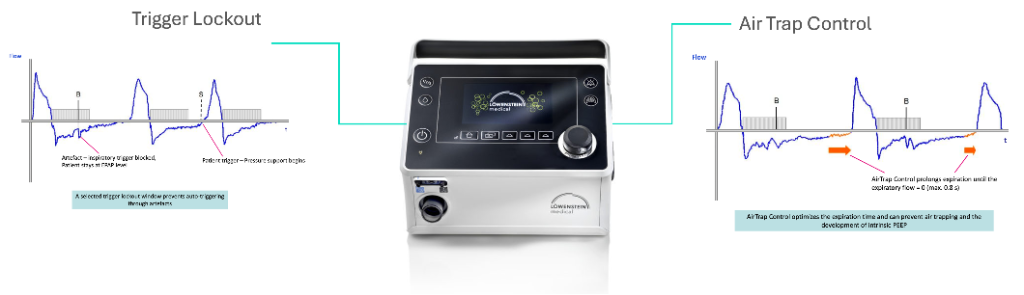
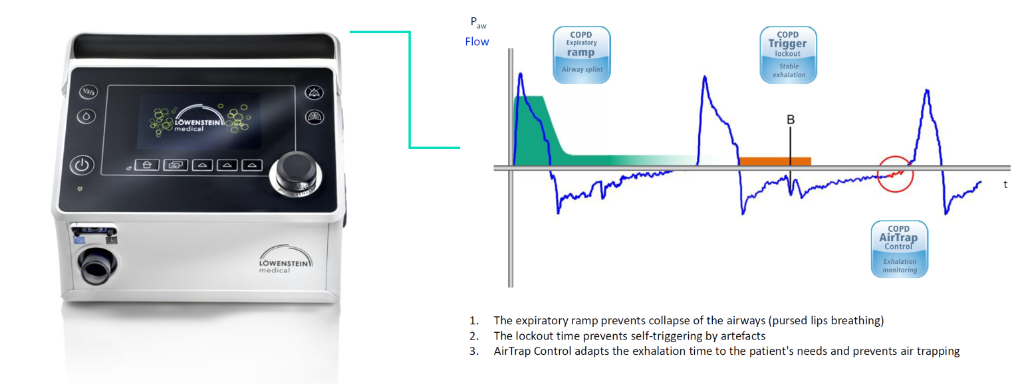
COPD-specific features on Prismavent & Luisa: AirTrap Control automatically reduces backup rate when air trapping is detected. Trigger Lockout prevents false triggering caused by small-airway oscillations. Expiratory Pressure Ramp gradually reduces pressure at the start of expiration to prevent airway collapse.
Our BiPAP Ventilators
Our range of advanced ventilation devices for every clinical need.
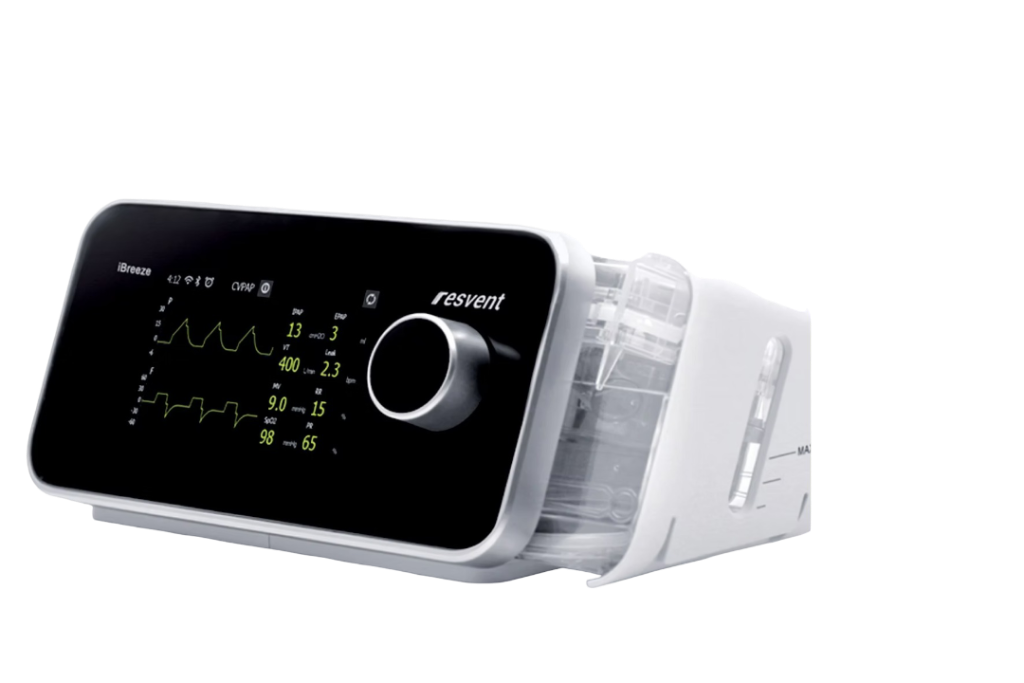
Resvent
iBreeze 30ST
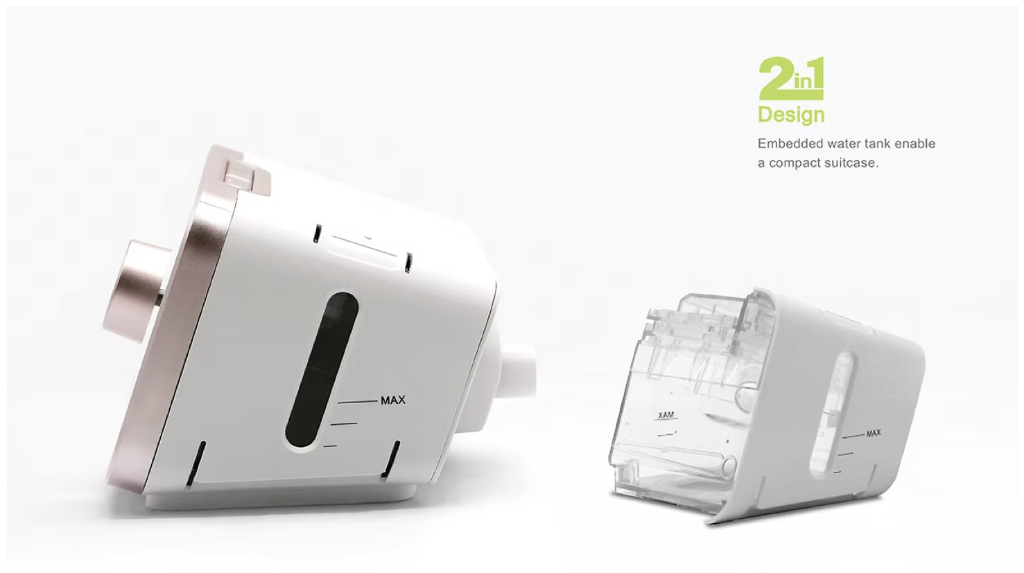
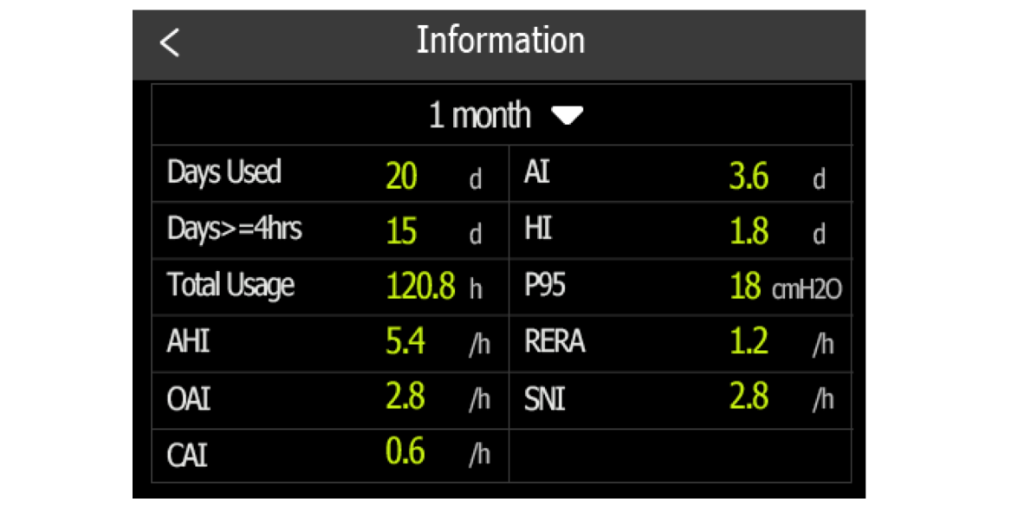
Advanced BiPAP with 5" touch screen, real-time waveform monitoring, EVAPS volume-assured pressure support. Treats OSA and respiratory insufficiency.
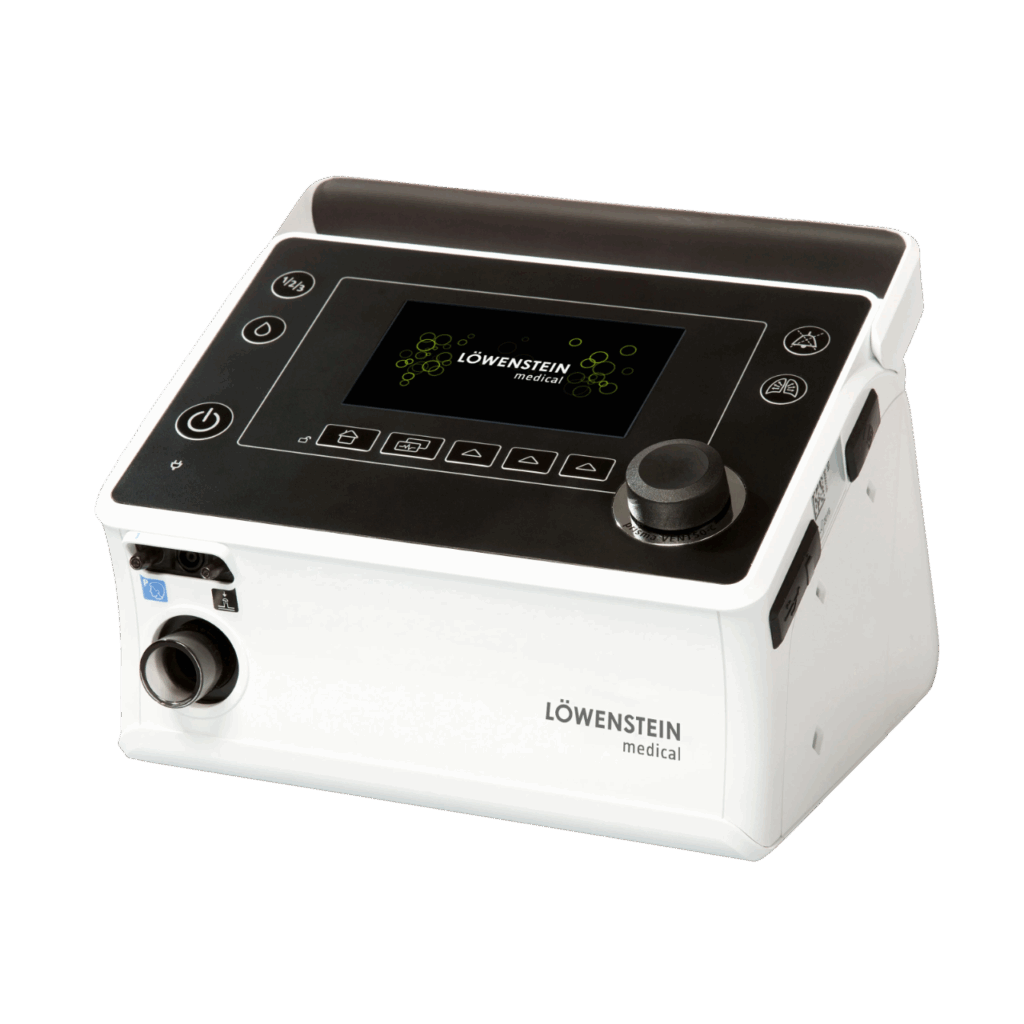
Löwenstein
Prismavent Series
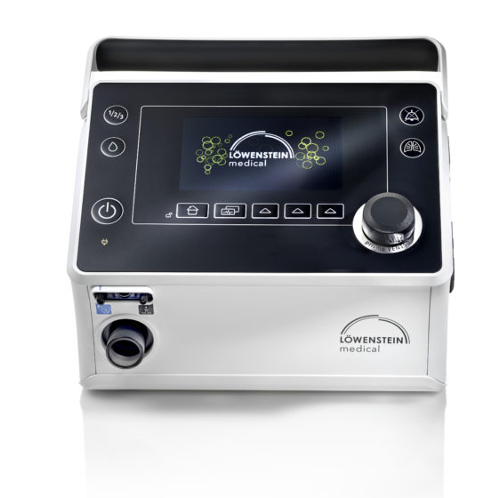
AirTrap Control, Trigger Lockout and expiratory ramp for COPD. Optional 10+ hour battery. 360° easy-turn dial. Available as VENT30-C, VENT40, and VENT50.
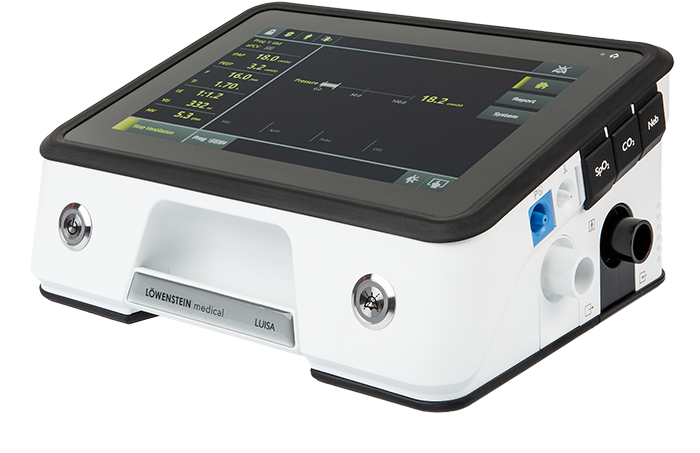
Löwenstein
Luisa
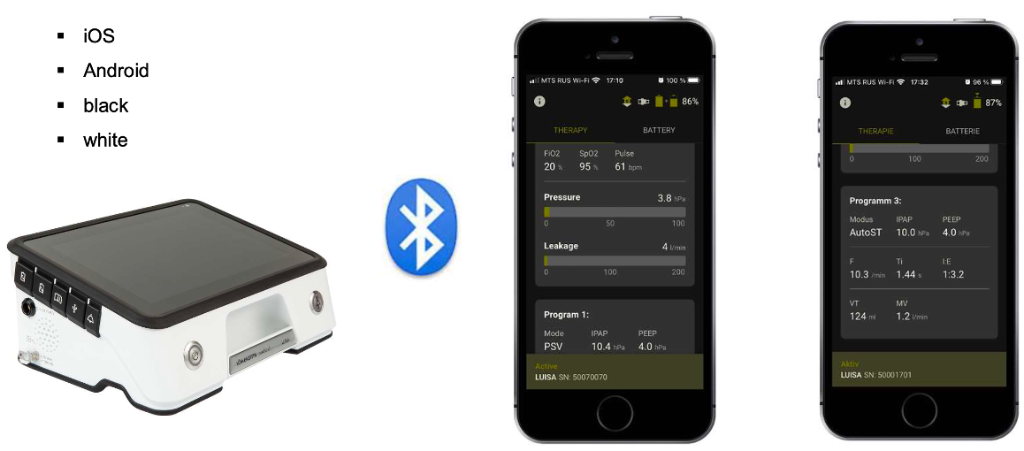
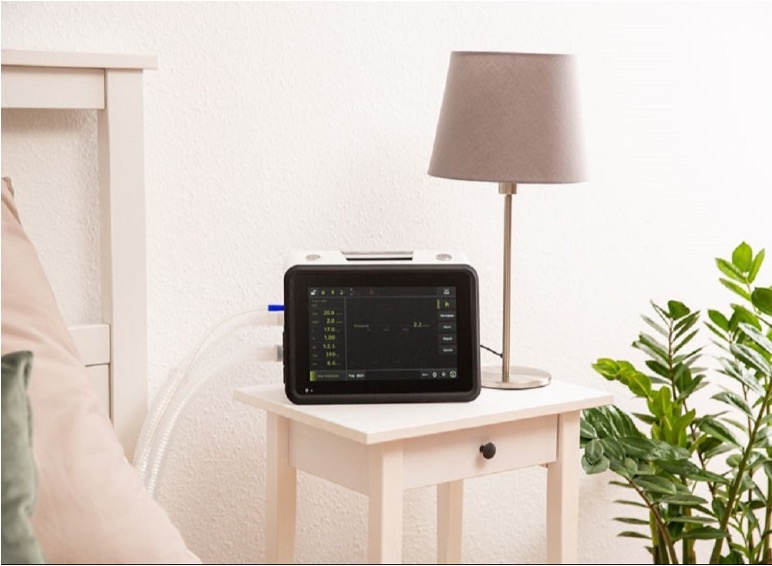
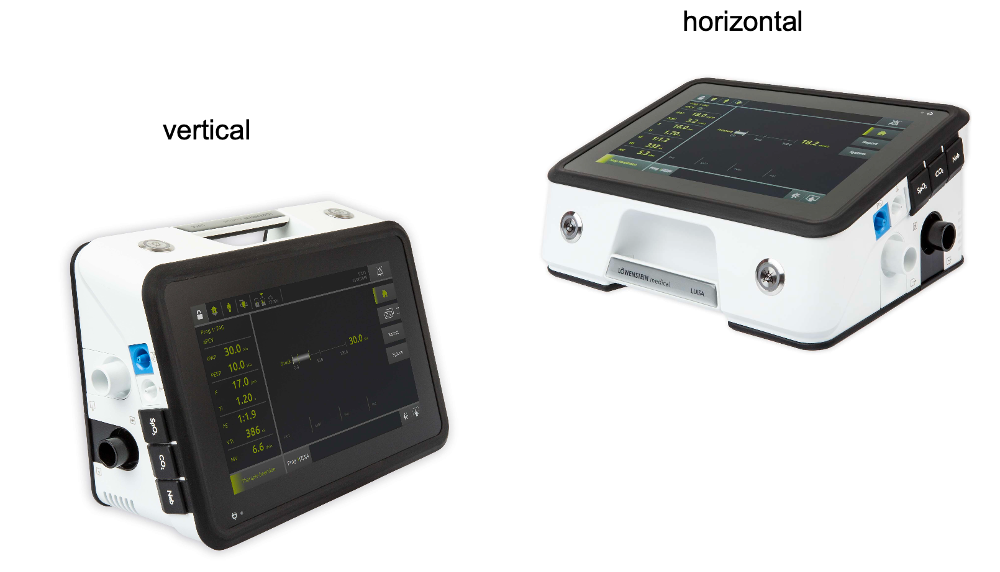
Highly mobile life support ventilator. Operates vertical or horizontal, attaches to wheelchair or bed. 10" touchscreen, 18h battery, FiO₂ & SpO₂ monitoring.
Resvent
iBreeze 30ST
BiPAP Ventilator
Advanced BiPAP with 5" touch screen, real-time waveform monitoring, EVAPS volume-assured pressure support. Treats OSA and respiratory insufficiency.
Löwenstein
Prismavent Series
Advanced BiPAP
AirTrap Control, Trigger Lockout and expiratory ramp for COPD. Optional 10+ hour battery. 360° easy-turn dial. Available as VENT30-C, VENT40, and VENT50.
Löwenstein
Luisa
Life Support Ventilator
Highly mobile life support ventilator. Operates vertical or horizontal, attaches to wheelchair or bed. 10" touchscreen, 18h battery, FiO₂ & SpO₂ monitoring.