Patient Resources
Everything you need to feel confident.
Guides, videos, and downloadable resources to help you set up, maintain, and get the most out of your respiratory equipment.
17 resources found
Getting Started with CPAP Therapy
A complete beginner's guide covering mask fitting, pressure settings, and your first night with CPAP therapy.
iBreeze 20A Product Brochure
Official product brochure for the Resvent iBreeze 20A — full specifications, features, and clinical data.
iBreeze 20A Plus Product Brochure
Official product brochure for the Resvent iBreeze 20A Plus — specifications, travel features, and hybrid humidifier details.
CPAP Machine Maintenance Guide
Full care & maintenance guide for iBreeze 20A, iBreeze 20A Plus, and SEFAM Néa — daily, weekly, and yearly routines plus parts replacement schedule.
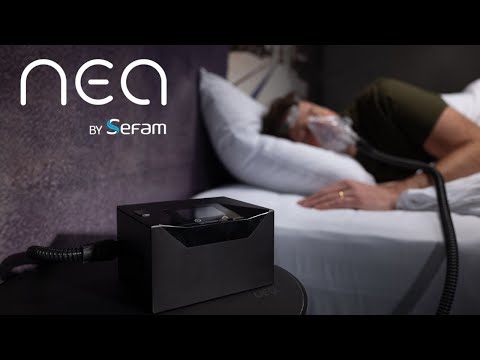
SEFAM NEA CPAP from France
Discover the SEFAM Néa — a foam-free CPAP made in France with patented Néalvéole™ technology, central event detection, and triple connectivity (BLE, GSM & WiFi).
Understanding Your Sleep Report (AHI)
Learn how to read your ResAssist app data — what AHI, OAI, HI, and compliance percentage mean for your health.
- AHI < 5 is considered normal
- Check compliance — aim for 4+ hours/night
- Share your report with your doctor monthly
- OAI = Obstructive, CAI = Central events
Troubleshooting Common CPAP Issues
Solutions for dry mouth, mask leaks, aerophagia, claustrophobia, and difficulty falling asleep with CPAP.
- Dry mouth → enable or increase humidifier
- Mask leak → refit or try a different mask style
- Bloating → reduce pressure or use EPR/IPR setting
- Claustrophobia → start with short daytime sessions
Prismavent Series Patient Guide
Comprehensive guide for Prismavent BiPAP users — modes explained, COPD-specific features, and daily operation.
Luisa Life Support Ventilator Manual
Operating instructions, alarm management, battery usage, and mobility tips for Luisa ventilator patients.
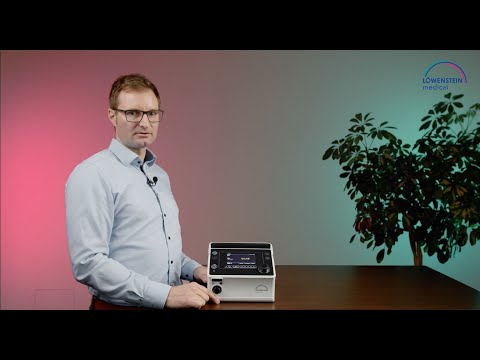
Prismavent Setup & Daily Use
Video walkthrough of setting up the Prismavent, connecting circuits, and understanding the 360° dial controls.

Luisa Ventilator — Getting Mobile
How to safely use your Luisa ventilator in vertical and horizontal positions, attach to a wheelchair, and manage battery.
Understanding BiPAP Therapy Modes
Plain-language explanations of S, S/T, T, CPAP, and AVAPS modes — and when each is used in clinical practice.
- S (Spontaneous) — triggers on your own breath
- S/T — backup rate if breathing too slow
- T (Timed) — fixed rate regardless of effort
- EVAPS — guarantees consistent tidal volume
BMC SO1-5A Oxygen Concentrator Brochure
Official product brochure for the BMC SO1-5A — specifications, features, and technical data.
Oxygen Concentrator Care & Maintenance Guide
Step-by-step operation, daily & weekly cleaning, safety precautions, and accessories replacement schedule for your oxygen concentrator.
Respicare PO-5 Portable Oxygen Guide
How to use pulse-dose mode, swap batteries, understand alarm codes, and travel safely with portable oxygen.
Oxygen Safety at Home
Essential safety rules for using oxygen at home — fire prevention, storage, tubing care, and what to do in emergencies.
- Keep oxygen 1.5m away from open flames
- No smoking — oxygen accelerates combustion
- Post "Oxygen in Use" sign at entrance
- Keep emergency numbers visible at all times
Monitoring Your SpO₂ at Home
How to use a pulse oximeter correctly, what readings mean, and when to contact your doctor or Acuramed.
- Normal SpO₂: 95–100%
- Mild concern: 91–94% — notify your doctor
- Urgent: Below 90% — seek medical attention
- Measure after resting for 5 minutes
Still have questions?
Our respiratory care specialists are here to help you every step of the way.
Contact Our Team