Sleep Care & CPAP Therapy
Professional Sleep Apnea Treatment in Malaysia
Do you snore? Are you always sleepy?
Expert sleep diagnostics and advanced CPAP therapy services in Kuala Lumpur. If you feel tired or sleepy during daytime even after a long sleep, you may be suffering from Sleep Disordered Breathing (SDB) — a condition that's treatable with the right care.
Know the Signs
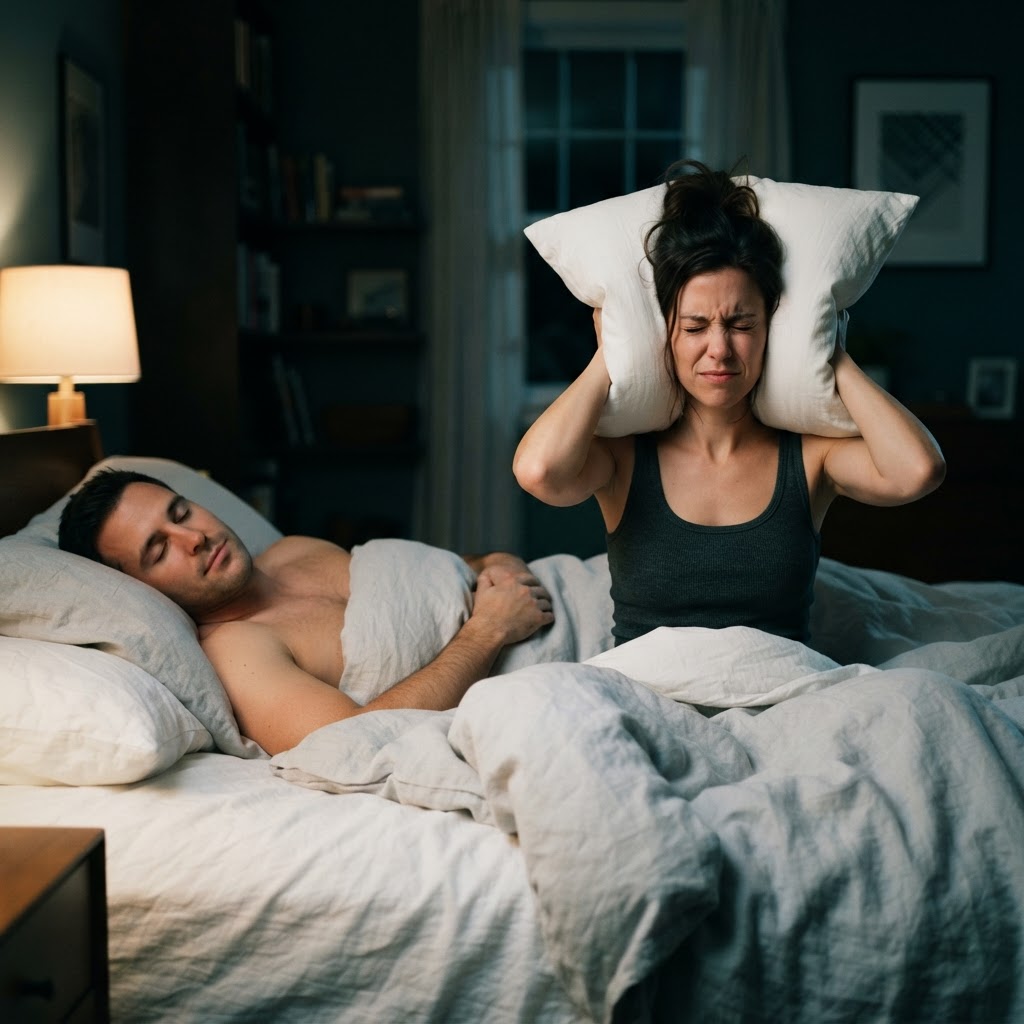
Do you snore?
Loud snoring is more than just a nighttime nuisance — it is a primary warning sign for Obstructive Sleep Apnea (OSA), a serious condition where breathing repeatedly stops and starts throughout the night. Understanding when snoring becomes a medical concern can prevent life-threatening complications.
When Snoring Becomes a Concern
While occasional, light snoring is often harmless, you should be concerned if snoring is:
Loud and Disruptive
Chronic, jarring snoring that can be heard through walls or consistently disturbs a partner's rest.
Broken by Pauses
Silent periods where breathing seems to stop, followed by sudden gasps, snorts, or choking sounds as the body struggles for air.
Accompanied by Daytime Symptoms
Feeling unrefreshed despite a full night's sleep, morning headaches, or severe daytime drowsiness that makes it hard to focus at work or while driving.
Why Loud Snorers Should Be Aware
Loud snoring occurs when the airway is partially blocked, forcing air through a narrowed passage and causing throat tissues to vibrate intensely. If this passage collapses completely, it results in an apnea episode that drops blood oxygen levels and forces the brain to "jolt" the body awake to resume breathing — often dozens of times per night without the person realising it.
Risks of Untreated Sleep Apnea
Ignoring "just snoring" when it is actually sleep apnea can lead to severe long-term health issues:
Cardiovascular Strain
Repeated drops in oxygen and surges of stress hormones increase blood pressure and strain the heart, significantly raising the risk of heart attack, stroke, and irregular heartbeats like atrial fibrillation.
Metabolic Complications
Sleep apnea is linked to Type 2 diabetes and insulin resistance, making it harder for the body to manage blood sugar.
Mental and Cognitive Health
Chronic sleep deprivation can lead to depression, irritability, memory loss, and even an increased risk of dementia over time.
Safety Hazards
Extreme daytime fatigue increases the risk of workplace or motor vehicle accidents, with some studies comparing the impairment to driving under the influence.
Understanding SDB
Snoring is related to Sleep Disordered Breathing (SDB), referring to breathing disorders during sleep. When airway muscles relax, they cause obstruction in the upper airway. SDB encompasses Obstructive Sleep Apnea (OSA), Central Sleep Apnea (CSA), Mixed Sleep Apnea, Cheyne-Stokes Respiration, and Nocturnal Hypoventilation.
Symptoms
- Snoring
- Excessive daytime sleepiness
- Witnessed apneas
- Restless sleep
- Heavy sweating during sleep
- Impaired concentration
- Morning headaches
- Mood swings
Signs
- Hypertension
- Type 2 Diabetes
- Heart Disease
- Nocturnal Arrhythmias
Risk Factors
- Obesity
- Male gender
- Post-menopausal women
- Increasing age
- Alcohol or sedative use
- Smoking
- Diabetes
- Family history
STOP-BANG Questionnaire
A validated clinical screening tool to assess your risk of Obstructive Sleep Apnea (OSA).
What is the STOP-BANG Questionnaire?
The STOP-BANG questionnaire is a concise, evidence-based screening tool developed and validated by researchers at the University Health Network in Toronto. It is widely used by physicians, anaesthesiologists, and sleep specialists worldwide as a quick first-line assessment for Obstructive Sleep Apnea (OSA). The acronym stands for eight key risk factors: Snoring, Tiredness, Observed apnea, blood Pressure, BMI, Age, Neck circumference, and Gender.
How Does It Help Analyse OSA Risk?
Each of the 8 questions targets a clinically proven risk indicator for OSA. A "Yes" answer to each question contributes one point to your total score (0–8). The cumulative score predicts the probability that you have moderate-to-severe OSA:
Score 0–2
Low Risk
OSA is unlikely. Continue to monitor symptoms, especially if your weight or lifestyle changes.
Score 3–4
Intermediate Risk
Moderate probability of OSA. A home sleep test or clinical review is recommended.
Score 5–8
High Risk
High probability of moderate-to-severe OSA. Prompt consultation with a sleep specialist is strongly advised.
⚠️ Important Note
The STOP-BANG questionnaire is a screening tool, not a diagnostic test. A high score indicates elevated risk and the need for further evaluation — it does not confirm a diagnosis of OSA. Definitive diagnosis requires a formal sleep study (polysomnography or home sleep testing) interpreted by a qualified clinician.
Take the Screening Now
Answer these 8 yes/no questions honestly. Check all that apply to you.
Diagnose
Home Sleep Study
A simple diagnostic test during your sleep to detect breathing patterns. Comfortable, accurate, done at home.
Stop Snoring, Start Sleeping
A Simpler Way to Reclaim Your Rest
Is your snoring more than just a "social nuisance"? For many, loud and frequent snoring is a major warning sign of Obstructive Sleep Apnea (OSA) — a condition where breathing repeatedly stops and starts throughout the night. Left untreated, this can lead to serious health risks:
Heart Health
Increased risk of high blood pressure, heart attack, and stroke.
Daily Energy
Constant daytime fatigue, morning headaches, and "brain fog".
Safety
Higher risk of motor vehicle and workplace accidents due to drowsiness.
Relationships
Sleep deprivation for both you and your partner, often leading to irritability or sleeping in separate rooms.
The Best Part? You Don't Need a Hospital Stay.
You can now complete a professional-grade sleep screening in the comfort of your own bed. A Home Sleep Apnea Test (HSAT) offers a convenient, affordable alternative to traditional hospital-based studies.
Why Choose a Home Screening?
Maximum Comfort
No unfamiliar hospital rooms or long waiting lists. You sleep naturally at home, which often leads to more representative results.
Easy to Use
A compact, portable device with just a few small sensors for your finger, chest, and nose.
Accurate & Reliable
Modern devices provide hospital-level accuracy for detecting breathing patterns and oxygen levels.
Fast Results
Data reviewed by a qualified sleep specialist, with detailed reports and recommendations available within days.
How It Works
Get Your Kit
Collect your portable device or have it delivered to your home.
Sleep as Usual
Apply the simple sensors before bed and sleep through the night while the device monitors your vitals.
Return & Review
Return the device the next day. A specialist will analyze the data and discuss the best next steps for your health.
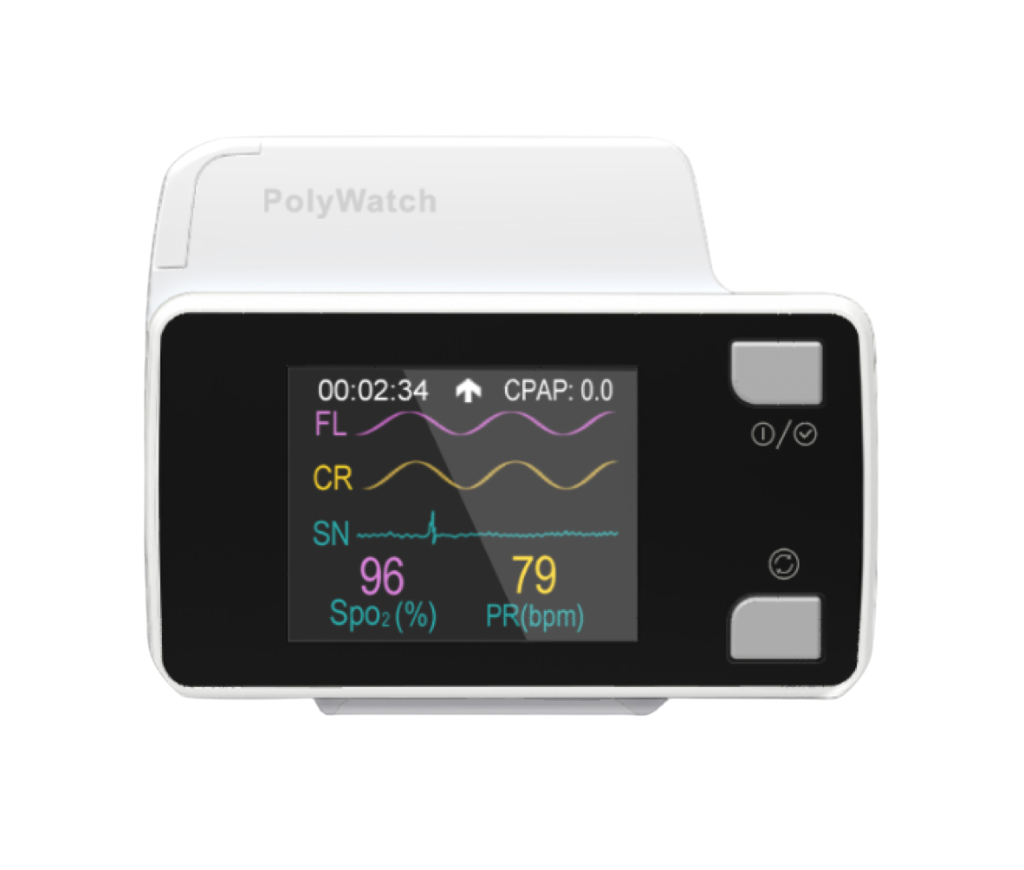
BMC PolyWatch YH-600 Series
Portable Sleep Diagnostic System & Sleep Screener — wrist-wear design for home sleep testing with comprehensive diagnostic software.
Portable Diagnostic System
YH-600B Pro
- SpO₂ monitoring
- Pulse Rate
- Airflow waveform
- Snoring detection
- Wrist movement
- CPAP Pressure
- Thorax/Abdomen movement
- Body Position
- OSA & CSA Classification
Ease of Use
Wrist-wear design with smart connections. Colorful OLED and real-time waveform display. Easy-to-use home sleep testing for maximum convenience.
Accuracy
Optimized algorithm differentiates OSA from CSA. Detailed diagnostic report with raw waveform, events, and diagnostic results reviewed by a sleep specialist.
Don't ignore the warning signs.
Reclaim your health and a peaceful night's sleep for you and your loved ones.
Book Your Home Sleep ScreeningWhat is CPAP?
Understanding how CPAP therapy works to treat Obstructive Sleep Apnea.
Continuous Positive Airway Pressure
CPAP stands for Continuous Positive Airway Pressure. APAP stands for Automatic Continuous Positive Airway Pressure — it automatically adjusts throughout the night.
How it helps OSA
CPAP delivers positive air pressure throughout the night to splint the obstructed airway due to upper airway muscle collapse, helping users breathe normally during sleep for better oxygenation.
Eliminate obstruction
CPAP helps improve OSA by eliminating airway obstruction — the root cause of loud snoring with choking — for a peaceful, restorative night's sleep.
CPAP Treatment
CPAP is the gold standard treatment for Obstructive Sleep Apnea. Choose from our range of devices.
Why Try CPAP? The "Gold Standard" for Better Sleep
If you have been diagnosed with Obstructive Sleep Apnea (OSA), your doctor likely recommended a CPAP machine. While wearing a mask to sleep might seem daunting at first, CPAP is widely considered the most effective way to reclaim your health.
🛡️ A Safe, Non-Invasive Solution
- No Surgery Required: Unlike other OSA treatments that may involve permanent changes to your airway or throat tissue, CPAP works externally.
- No Medication Side Effects: CPAP uses only filtered room air — no chemical side effects, dependencies, or grogginess from sleep medications.
💨 How CPAP Works
Think of CPAP as an "air splint."
- The machine takes in room air, filters it, and gently pressurizes it.
- This steady stream travels through a tube into your mask.
- The pressure keeps your throat tissues from collapsing — naturally and mechanically.
❤️ Critical Long-Term Health Protection
Treating OSA isn't just about feeling less tired — it's about protecting your vital organs. Consistent CPAP use significantly lowers your risk of Heart Disease, Stroke, and Diabetes by reducing daily strain on your cardiovascular system.
💡 Tips for a Smooth Start
- Find Your Fit: Many mask styles — from nasal pillows to full-face masks — suit different sleeping positions.
- Try It While Awake: Wear the mask while watching TV or reading for 15 minutes to get used to the sensation.
Benefits of CPAP
CPAP therapy improves 3 major body systems, with many other noticeable day-to-day benefits.
Cardiovascular System
- Lower risk of Sudden Cardiac Arrest
- Reduced risk of Congestive Heart Failure
- Lower risk of Coronary Artery Disease
- Reduced Irregular Heartbeat
- Improved Hypertension condition
Endocrine System
- Improve insulin sensitivity
- Improve metabolism
- Improve stamina and energy to exercise for weight loss
Nervous System
- Reduce stress from restless sleep
- Reduce risk of Stroke
- Reduce risk of vehicle accidents due to sleepiness
- Improve sleep quality
- Improve daytime alertness
- Improve concentration and memory
- Improve emotion stability
Top-Rated CPAP & APAP Machines in Malaysia
Choose from our range of clinically proven CPAP devices, featuring iBreeze, SEFAM Néa, and more.
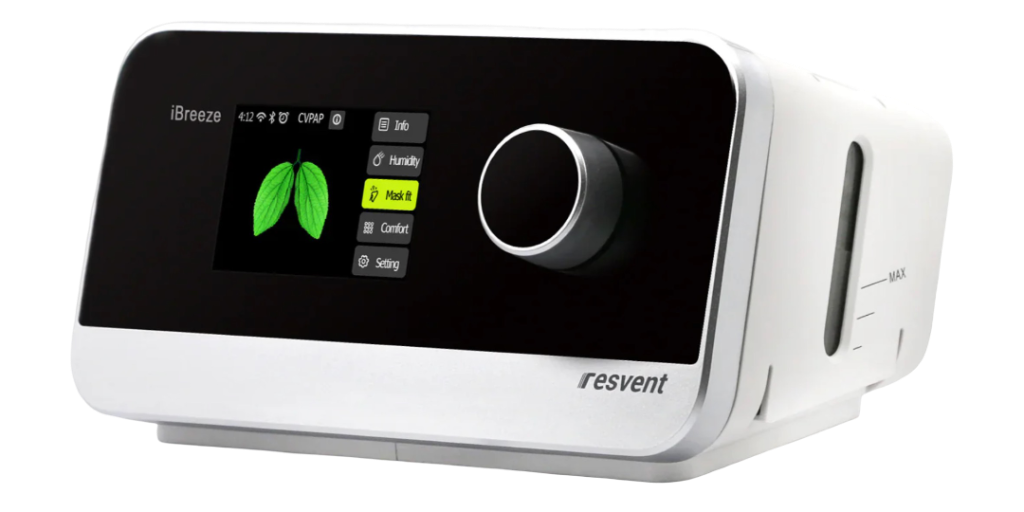
Resvent
iBreeze 20A
Everything you need to treat Obstructive Sleep Apnea. REG algorithm, wireless SpO₂, ResAssist cloud connectivity.
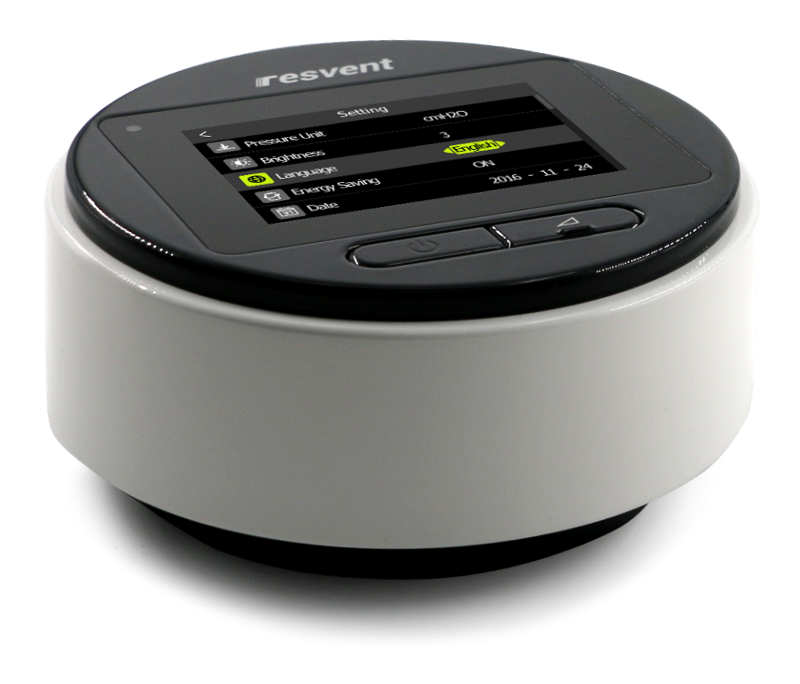
Resvent
iBreeze 20A Plus
Circular compact design — only 680g, 15cm diameter — designed for travel without compromise. Up to 13h battery backup.
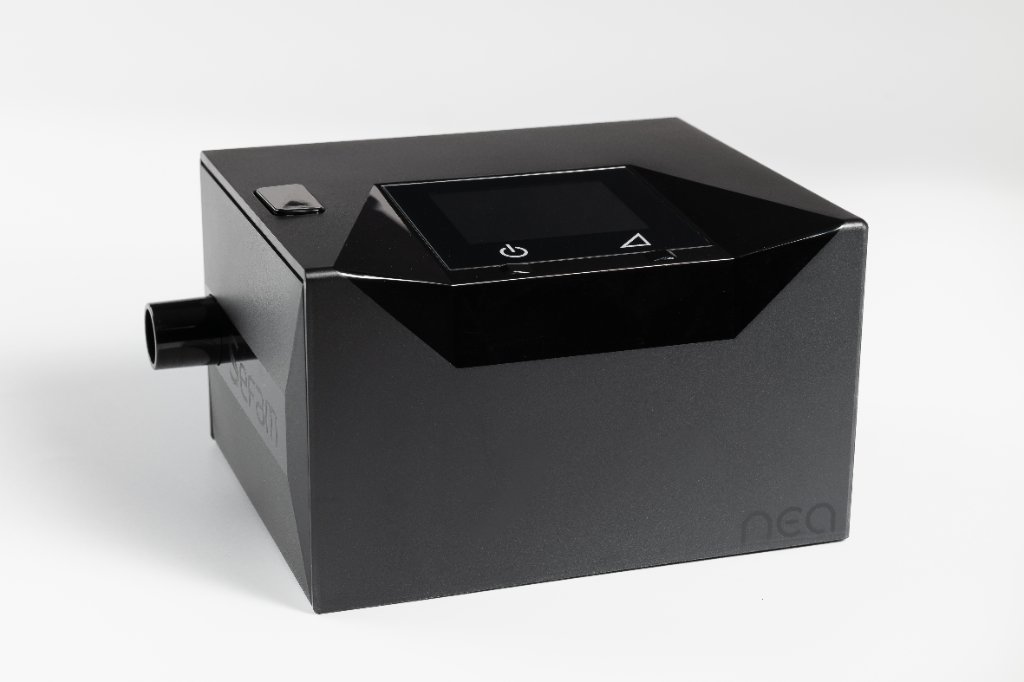
SEFAM
Néa
0% foam. Patented NéalvéoleTM technology. Central event detection. BLE, GSM & WiFi. Made in France.